

Biblical Manhood Formation:
A Clear Path for Raising Godly Young Men
Every generation wrestles with the same quiet question.
What does it mean to become a man according to Scripture?
Culture offers loud answers. Achievement. Strength. Independence. Success.
Scripture offers something steadier.
Biblical manhood formation is not about performance. It is about identity shaped over time through relationship, responsibility, and obedience to God.
If we want to raise godly young men, we must move beyond reaction to culture and toward intentional formation rooted in Scripture.

What Is Biblical Manhood Formation?
Biblical manhood formation is the long term shaping of a boy’s character, convictions, and conduct according to the pattern of Christ.
It is not about creating dominance.
It is not about producing toughness alone.
It is not about suppressing emotion.
It is about cultivating integrity, restraint, courage, humility, and servant leadership.
Romans 8:29 speaks of being conformed to the image of Christ. Formation is conformity to Christ over time.
That shaping happens most powerfully within relationship. It happens in the home before it happens in the world.
Why Formation Matters More Than Information
Many young men grow up around Christian teaching but lack formation.
Information fills the mind.
Formation shapes the heart.
James 1:22 reminds us not to be hearers only but doers. Biblical manhood is not memorized. It is practiced.
Without formation, boys may know verses but struggle with responsibility. They may understand theology but lack self control.
Formation requires repetition. Correction. Encouragement. Accountability.
It requires fathers who are present.
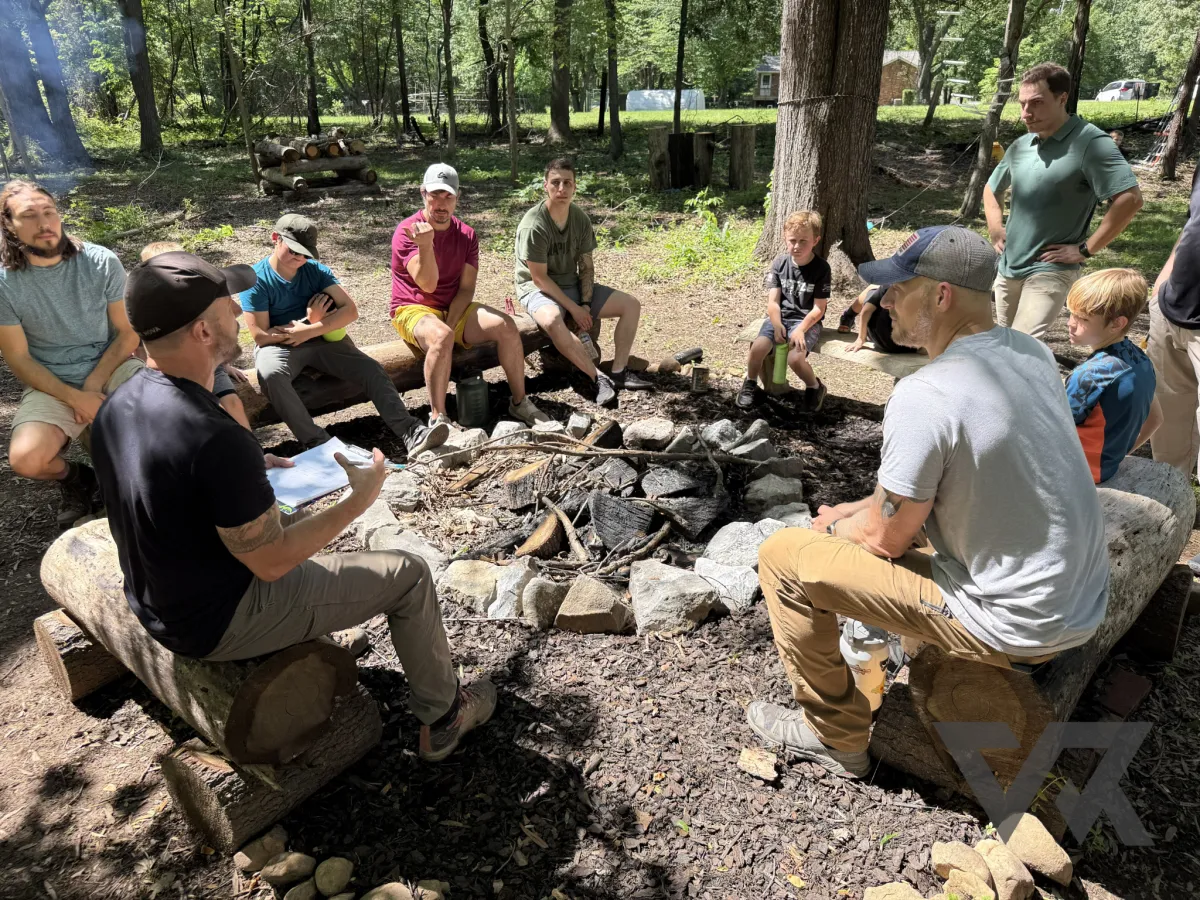
The Biblical Pattern of Growth
Throughout Scripture, growth into maturity follows a recognizable progression.
There is identity.
There is responsibility.
There is testing.
There is commission.
David was anointed before he was crowned.
Joseph was tested before he was entrusted.
Timothy was affirmed before he was sent.
This progression aligns closely with the pattern seen in Christian rites of passage.
Belonging precedes responsibility.
Responsibility precedes recognition.
Recognition precedes mission.
When we ignore that order, confusion follows. When we honor it, stability grows.
The Role of the Father in Manhood Formation

Ephesians 6:4 calls fathers to bring their children up in the instruction of the Lord.
Fathers shape formation through presence more than speeches.
A son watches how his father handles frustration.
He observes how his father treats his mother.
He notices whether faith is practiced or only professed.
Proverbs 13:20 tells us that whoever walks with the wise becomes wise. Formation is caught before it is taught.
Father led discipleship becomes the daily mechanism of manhood formation.
From Boyhood to Responsibility
A boy begins in dependence. Over time he moves toward stewardship.
Biblical manhood formation gradually increases responsibility.
Small tasks.
Consistent expectations.
Real consequences.
Luke 16:10 teaches that faithfulness in small things precedes greater trust.
When responsibility is delayed too long, entitlement grows. When responsibility is increased wisely, maturity follows.
This is why structured progression matters.
Why Initiation Matters in Boyhood Formation
Formation without recognition can feel invisible.
At key moments, growth should be named.
Throughout Scripture, transitions are marked. Blessings are spoken. Leadership is acknowledged.
A Christian rite of passage serves this purpose.
It does not create maturity. It affirms it.
When initiation grows out of years of discipleship and responsibility, it carries weight.

Common Misunderstandings About Biblical Manhood
Some assume biblical manhood means emotional suppression.
Others assume it means dominance.
Others reduce it to rule keeping.
But Christ models something different.
Strength under control.
Authority expressed through service.
Courage rooted in obedience.
Mark 10:45 reminds us that the Son of Man came not to be served but to serve.
True manhood is not loud. It is faithful.
A Coherent Path For Long Term Formation
Many families sense the need for biblical manhood formation but lack a clear progression.
The Mighty Men Path provides a father led framework that integrates belonging, responsibility, initiation, and mission into a coherent journey.
Experiences such as Forging The Future often serve as early catalysts for vision and shared commitment.
From there, structured stages of discipleship and responsibility build stability over time.
Formation is not rushed. It is walked.
What defines biblical manhood according to Scripture?
Biblical manhood is defined by conformity to Christ rather than cultural stereotypes. It includes integrity, humility, courage, servant leadership, self control, and faithfulness. Scripture emphasizes character over charisma and obedience over appearance.
How is biblical manhood different from cultural masculinity?
Cultural masculinity often emphasizes dominance, independence, or achievement. Biblical manhood emphasizes responsibility, service, covenant faithfulness, and strength under restraint. It is rooted in identity as a son of God rather than in performance.
At what age should manhood formation begin?
Formation begins in childhood but becomes more intentional during early adolescence when identity and responsibility begin to take clearer shape. Most fathers notice this transition between eleven and fifteen, though maturity varies by individual.
Can a mother contribute to manhood formation?
Absolutely. While fathers carry a unique role in modeling male identity, mothers play a vital role in shaping character, compassion, and spiritual stability. Biblical manhood formation flourishes within a unified family structure.
Does biblical manhood require a formal rite of passage?
A formal rite of passage is not required for growth, but marking transition brings clarity and affirmation. When maturity is recognized intentionally, it strengthens identity and responsibility.
What if I feel unprepared to lead my son?
Many fathers feel this way. Growth begins with humility and willingness. As you pursue Christ and remain present, you will grow alongside your son. Leadership does not require perfection. It requires faithfulness.
Biblical manhood formation is not about producing a flawless young man. It is about shaping a faithful one.
Over time, through discipleship, responsibility, recognition, and mission, a boy becomes a man who reflects Christ in character and conduct.
If you are seeking clarity on where to begin, start with presence. Start with conversation. And begin walking intentionally.

Restoring rites of passage. Walking with fathers. Forming mighty men.


